Choosing the right Cargo Trailer is essential for any business involved in logistics, delivery, construction, agriculture, retail distribution, or equipment transport. The trailer you select affects your efficiency, operating costs, safety, and the long-term durability of your fleet. With the wide range of trailer types and specifications on the market, it can be difficult to determine which model best fits your operational needs.
To help you make a well-informed decision, here are the six most important factors to consider when choosing a cargo trailer for your business.
1. Business use case & cargo type
2. Trailer size, capacity & weight ratings
3. Frame construction & material quality
4. Axles, suspension & braking configuration
5. Loading methods & functional features
6. Total cost of ownership & after-sales support
1. Your Business Use Case & Cargo Type
Before choosing any cargo trailer, the first and most important step is to clearly define what your business needs to transport and how the trailer will be used on a daily basis. The type of cargo and the operational environment determine almost every other specification, including trailer size, construction, door configuration, and axle setup.
What type of cargo are you transporting?
Different products require different levels of protection, weight capacity, and structural strength:
-
Lightweight goods (e-commerce packages, retail products, tools)
-
Heavy machinery or equipment (construction tools, generators, agricultural equipment)
-
Furniture and household items
-
Food, beverages, or temperature-sensitive goods
-
Bulk materials or building supplies
Each category places unique demands on load capacity, internal dimensions, and durability.
Is your operation long-distance or local delivery?
Your delivery pattern also influences the type of trailer you need:
-
Long-distance transport requires better aerodynamics, stronger frames, more stable axle configurations, and enhanced braking systems.
-
Short-distance or urban delivery may require easier loading, smaller trailers, and more maneuverability.
-
Off-road or construction site operations call for reinforced frames and heavy-duty suspension.
Match the trailer type to your application
Your business use case directly decides whether you need:
-
Enclosed cargo trailer
-
Best for protecting goods from weather, theft, and dust
-
Suitable for retail distribution, furniture, electronics, fragile goods
-
-
-
Ideal for machinery, building materials, or oversized items
-
Easier side or top loading
-

-
Multi-purpose or specialty trailers
-
For landscaping, construction, food service, or equipment hauling
-
Includes flatbeds, utility trailers, tilt trailers, and more
-
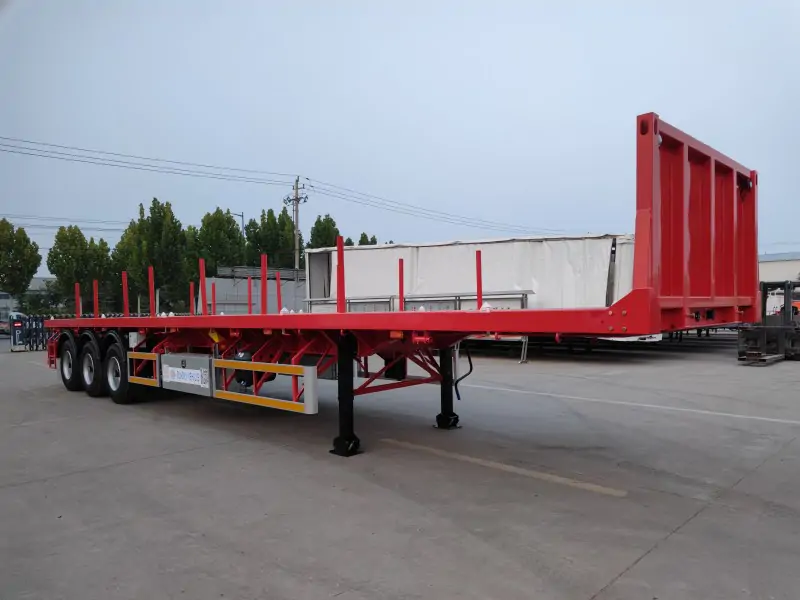
By fully understanding your cargo characteristics and operating environment, you can choose a trailer that improves efficiency, reduces damage, and supports your long-term business workflow.
2. Trailer Size, Capacity & Weight Ratings
Selecting the right trailer size and weight capacity is crucial for ensuring safe, efficient, and compliant operations. Choosing a trailer that is too small limits your productivity, while choosing one that is too large increases fuel consumption and unnecessary cost. Understanding key measurements and weight ratings helps you make the right decision.
Interior Dimensions: Length, Width, and Height
The internal space of the trailer directly determines what you can transport:
-
Length impacts how many pallets, boxes, or pieces of equipment you can load.
-
Width dictates whether wider items or double-stacked cargo can fit.
-
Height is essential for tall equipment, shelving, or walk-in access.
Always measure your largest or most frequently transported items and select a trailer with enough clearance for safe loading and unloading.
Payload Capacity
Payload capacity refers to the maximum weight of the cargo that the trailer can safely carry. Exceeding this limit can lead to:
-
Structural damage
-
Tire blowouts
-
Brake failure
-
Legal penalties
For heavy-duty industries such as construction, agriculture, or machinery transport, choosing a trailer with a high payload rating is essential.

Understanding GVWR & GAWR
To ensure compliance and safety, understanding weight ratings is critical:
-
GVWR (Gross Vehicle Weight Rating)
The maximum total weight of the trailer, including the cargo, fluids, and the trailer itself. -
GAWR (Gross Axle Weight Rating)
The maximum weight that each axle can safely support.
These ratings protect you from overloading—a common cause of accidents, breakdowns, and fines.
Match the Trailer to Your Tow Vehicle
Your trailer’s weight must always be compatible with the towing capacity of your truck or tractor:
-
Ensure the tow vehicle’s maximum towing capacity exceeds the trailer’s GVWR.
-
Verify hitch type and rating.
-
Check tongue weight limits to ensure balanced, stable towing.
A mismatch between trailer and tow vehicle results in unsafe handling, excessive wear, and potentially catastrophic failure on the road.
3. Frame, Materials & Build Quality
The frame and materials of a cargo trailer determine its overall strength, durability, and long-term performance. A well-built trailer not only carries heavier loads more safely but also reduces maintenance costs and extends service life. When evaluating build quality, pay close attention to the frame material, construction type, exterior panels, and roof design.
Steel vs. Aluminum
The choice between steel and aluminum significantly influences weight, durability, and cost:
-
Steel Trailers
-
Stronger and more rigid
-
Better suited for heavy-duty applications
-
More affordable upfront
-
Requires regular maintenance to prevent rust
-
-
Aluminum Trailers
-
Lightweight, improving fuel efficiency
-
Naturally corrosion-resistant
-
Ideal for long-distance hauling or humid climates
-
Typically higher in price but lower in long-term maintenance
-
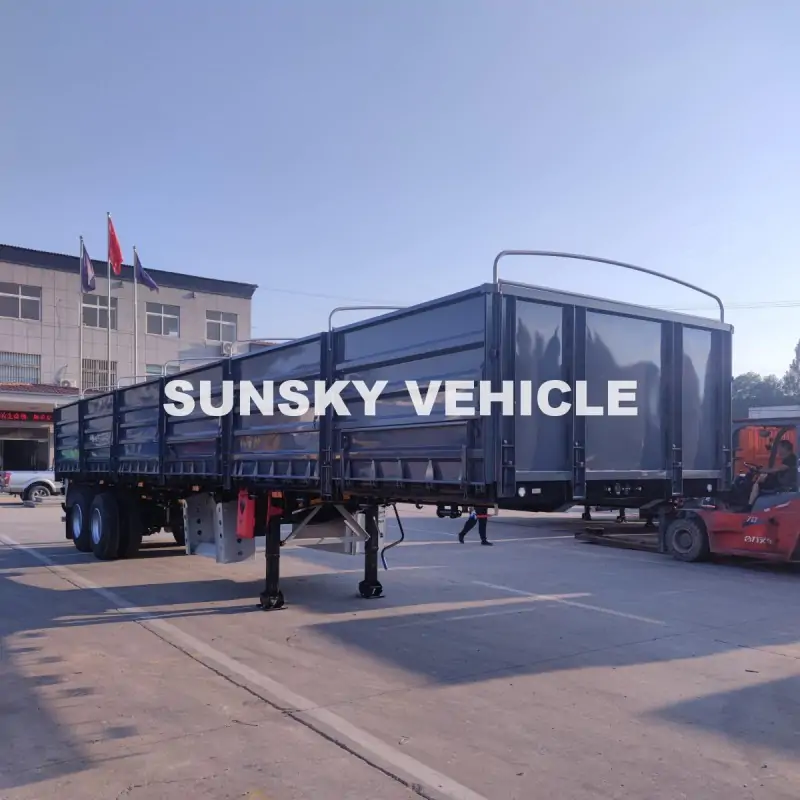
For businesses working in construction, agriculture, or equipment hauling, steel is often preferred. For commercial delivery, landscaping, or long-distance logistics, aluminum may offer better overall value.
Frame Types: I-Beam, C-Channel, Tubular
Different frame constructions affect the trailer’s load-bearing capacity and stability:
-
I-Beam Frame
-
Excellent strength-to-weight ratio
-
Common on larger, heavy-duty trailers
-
-
C-Channel Frame
-
Lighter and easier to repair
-
Suitable for medium-duty applications
-
-
Tubular Frame
-
Fully enclosed structure offers superior rigidity
-
Resists torsion (twisting) better than open profiles
-
Often used in premium or high-performance cargo trailers
-
Choosing the correct frame type ensures the trailer can withstand your operational demands and road conditions.
Exterior Panel Thickness & Roof Design
The exterior skin and roof structure influence durability, weather protection, and aerodynamic efficiency:
-
Panel Thickness (.024”, .030”, .040” )
-
Thicker panels resist dents, impacts, and deformation
-
Provide better long-term durability for high-use or rough environments
-
-
Roof Types
-
Flat Roof: More interior space, easier to install racks
-
Round Roof: Better drainage, fewer leak points
-
V-Nose Design: Improves aerodynamics and fuel efficiency, provides extra interior storage
-
For businesses traveling long distances or needing weather protection, a V-nose with thicker aluminum panels is a strong choice.
Durability, Corrosion Resistance & Rust Protection
Environmental conditions significantly affect the lifespan of a trailer:
-
Hot, humid, or coastal climates demand corrosion-resistant materials
-
Heavy equipment hauling requires reinforced frames and stress-tested welds
-
Frequent road usage benefits from sealed seams, undercoating, and galvanized components
Investing in high-quality build materials upfront minimizes downtime, repair costs, and long-term depreciation.
4. Axles, Suspension & Braking System
The trailer’s running gear—axles, suspension, and brakes—directly affects payload capacity, road stability, ride comfort, and overall safety. Choosing the right configuration is essential for any business trailer.
Single Axle vs. Tandem Axle vs. Triple Axle
-
Single Axle
Best for light loads and short-distance hauling. Lower cost and easier to maneuver, but offers limited stability and payload. -
Tandem Axle
The most common choice for commercial use. Higher load capacity, better stability, and safer for highway and long-distance operations. -
Triple Axle
Designed for heavy-duty, industrial, or long-haul operations. Maximum payload capability, but comes with higher cost and maintenance.
Rule of thumb: Match axle count to your load weight and usage. Heavy cargo on a single axle is unsafe and will wear out components quickly.
Suspension System
-
Leaf Spring Suspension
Durable, affordable, and easy to maintain. Suitable for most business applications. -
Air Ride Suspension
Provides a smoother ride with reduced vibration — ideal for fragile, high-value, or sensitive cargo. Costs more but helps prevent cargo damage and improves ride comfort.
Braking System
-
Braked Trailers
Essential for medium to heavy loads. Significantly improves stopping distance and overall safety. In many regions, trailers above a certain GVWR must be braked by law. -
Unbraked Trailers
Only suitable for lightweight trailers. Limited by regulations and not recommended for commercial freight.
Stability & Ride Quality
The right combination of axle count + suspension type + braking system ensures:
-
Higher road stability
-
Smoother ride
-
Safer braking
-
Lower cargo damage
-
Longer component lifespan
Tandem axles offer better stability, air suspension improves comfort, and braked systems enhance safety — especially for commercial operations.
5. Loading, Access & Functional Features
Efficient loading and easy access are crucial for improving workflow, reducing labor time, and ensuring cargo safety. The right combination of doors, ramps, flooring, and internal features can significantly enhance your trailer’s overall usability.
Door Types: Ramp, Barn, or Roll-Up
-
Ramp Door
Ideal for wheeled equipment, motorcycles, machinery, and pallet jacks. Provides smooth ground-to-trailer access. -
Barn Door (Swing Door)
Better for loading with forklifts or in tight urban spaces. Simple, durable, and cost-effective. -
Roll-Up Door
Similar to box trucks. Great for frequent stop-and-go delivery operations where quick access is essential.
Choose a door design based on your cargo type and loading style.
Loading Methods & Support Equipment
-
Ramps
Essential for rolling cargo. Consider reinforced or fold-away ramp systems for heavier equipment. -
Liftgate
Ideal for businesses handling heavy or bulky items without forklifts. Increases efficiency and reduces injury risks. -
Tie-Down Points & E-Tracks
Critical for securing cargo safely during transit. Prevents load shifting, especially on rough roads.
Efficient loading systems reduce downtime and protect both workers and cargo.
Interior Features & Functional Layout
Think about how the inside of your trailer supports your daily operations:
-
Interior lighting for safer loading at night or indoors.
-
Roof vents or side vents to prevent moisture buildup and protect sensitive cargo.
-
Shelving, tool racks, or partitions for mobile workshops or organized workspaces.
-
Customization options for trade-specific needs—contractors, movers, landscapers, etc.
A well-configured interior boosts productivity and reduces operational clutter.
Flooring Materials
The flooring determines durability, traction, and long-term maintenance:
-
Plywood/Wood Flooring
Cost-effective and easy to repair. Suitable for general-purpose cargo. -
Aluminum Flooring
Lightweight, corrosion-resistant, and ideal for humid or coastal environments. -
Heavy-Duty Composite or Reinforced Floors
Best for machinery, construction materials, or high-impact cargo.
Always choose flooring that matches your load type and environmental conditions.
6. Total Cost of Ownership & After-Sales Support
When choosing a business cargo trailer, the goal is not just to buy the cheapest option — it’s to invest in a trailer that delivers long-term value, reliability, and low operating costs. Evaluating the total cost of ownership (TCO) helps you avoid unexpected expenses and ensures your trailer remains profitable for years.
More Than the Purchase Price: Think Long-Term
A low upfront price doesn’t always mean low cost in the long run. Consider the following:
-
Routine maintenance requirements
-
Repair frequency based on build quality and part quality
-
Resale value after several years of use
Cheaper trailers often cost more later due to breakdowns, downtime, and replacement parts.
Fuel Efficiency: Weight Matters
Trailer weight affects fuel consumption:
-
Lighter trailers (e.g., aluminum designs) improve fuel efficiency and reduce operating costs, especially for long-distance hauling.
-
Heavier steel trailers are stronger but may increase fuel consumption.
For businesses traveling long routes or daily delivery operations, weight efficiency can significantly impact profitability.
Spare Parts, Warranty & Service Availability
Reliable after-sales support makes a huge difference:
-
Easy access to spare parts reduces downtime.
-
Manufacturer warranty protects you from early failures or defects.
-
Service centers or dealer support ensure repairs are done quickly and professionally.
A reputable dealer or brand ensures your trailer stays operational and compliant.
Dealer Reputation & Customer Support
Always research the seller:
-
Check reviews, customer feedback, and testimonials.
-
Choose dealers known for supporting business clients.
-
Ensure they provide technical guidance, maintenance advice, and parts availability.
Good dealer support saves time, money, and stress.
New vs. Used vs. Rental Trailers
Depending on your business model, different ownership options may make sense:
-
New Trailers
Best reliability, full warranty, latest technology, but higher upfront cost. -
Used Trailers
Lower price, but condition varies—inspect carefully and check maintenance records. -
Rental or Lease
Ideal for short-term projects or seasonal operations without long-term commitment.
Choose the option that aligns with your business workload and cash flow.
Conclusion
Choosing the right cargo trailer for your business is not just about size or price—it’s about finding a reliable, long-term asset that supports your daily operations. By considering your business use case, trailer size and capacity, build quality, axle and brake configurations, loading features, and total cost of ownership, you can make a smart investment that improves efficiency and protects your cargo.
Whether you’re transporting equipment, making deliveries, or expanding your logistics fleet, understanding these six factors will guide you toward the trailer that truly fits your needs.
If you’re ready to explore options or need expert recommendations, feel free to contact a trusted dealer and compare models based on your business goals.