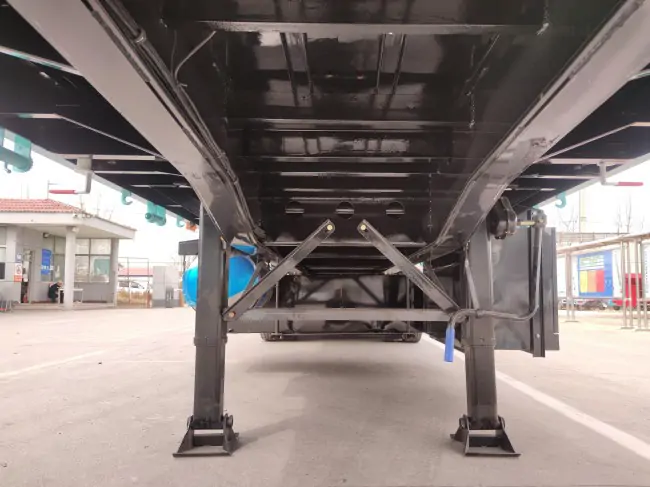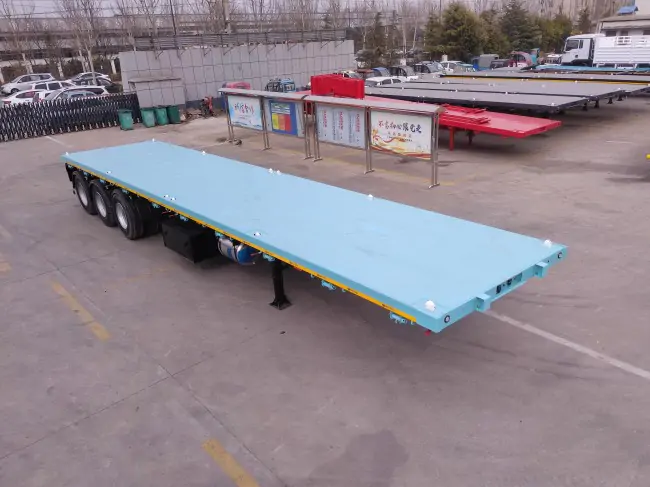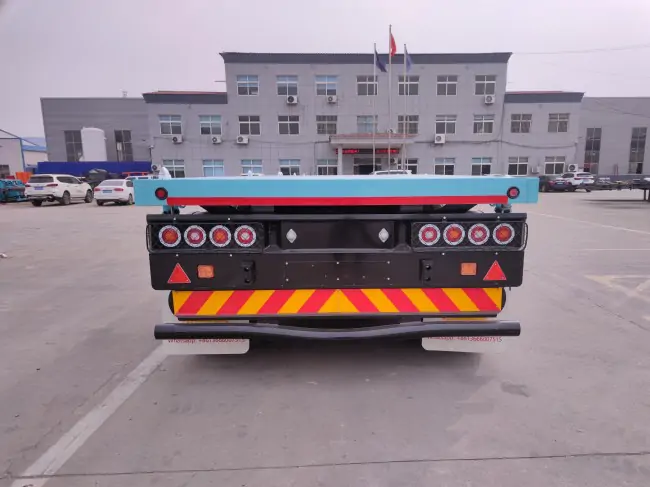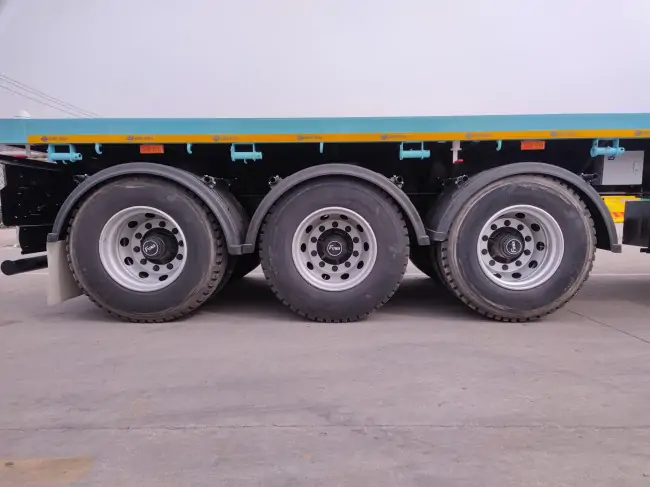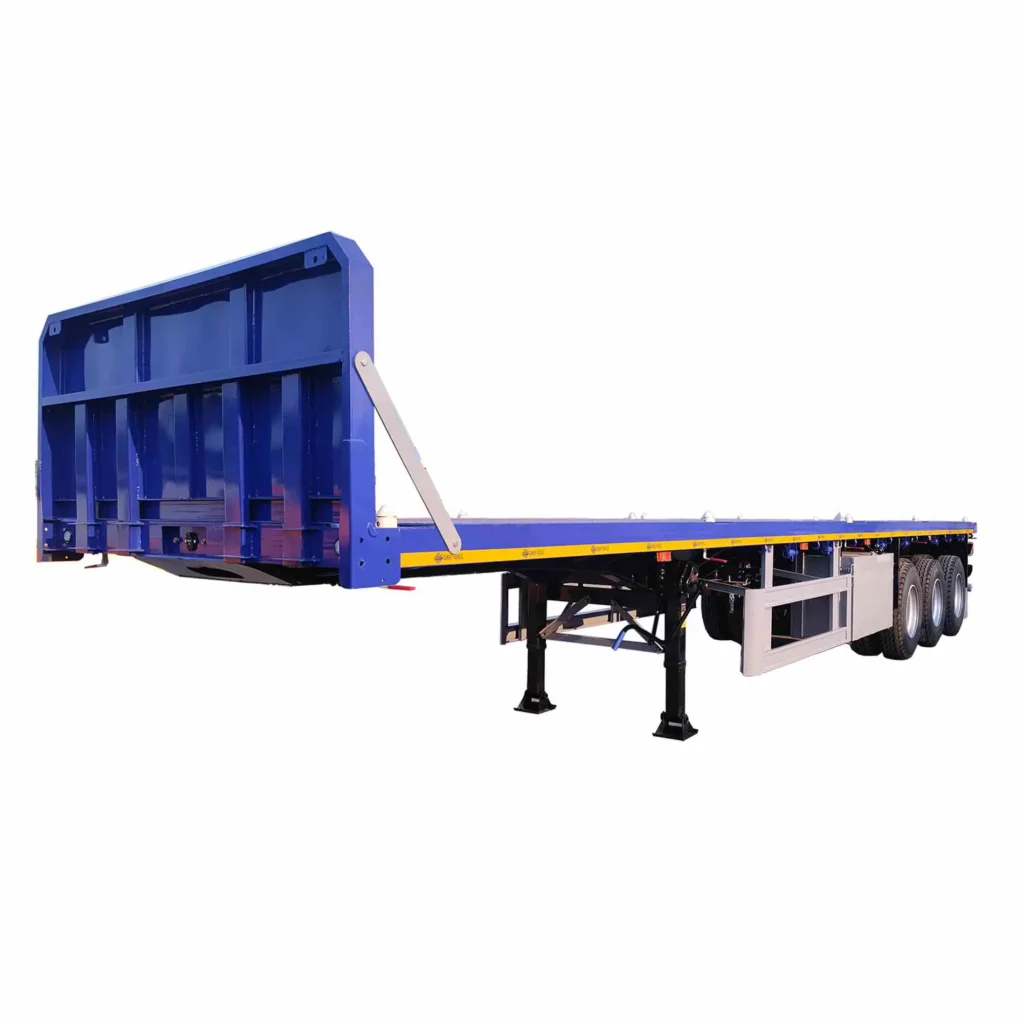

log trailer
Conquer challenging terrain with our Heavy-Duty Log Haulers. Designed for maximum payload capacity and superior durability, our timber trailers get the job done.
What is log trailer?
A log trailer, often known as a timber trailer, logging trailer, or logging dolly, is a specialized type of semi-trailer or full trailer specifically designed for the safe and efficient transport of cut timber logs. These trailers are built to withstand the rigorous demands of the forestry industry, handling heavy, often uneven, and long loads over varied terrain, from rough forest roads to public highways. Key features typically include a robust, high-strength steel frame, strong bolsters (upright stakes) to contain the logs, and specialized load securement systems like binders or tensioning devices. Depending on the configuration, they can be a self-loading trailer (with a grapple loader), a short-log trailer (for pulpwood), or a long-log trailer (for sawlogs). Their primary purpose is to maximize payload while ensuring stability and safety during the challenging process of hauling timber from forest to mill.
log hauler trailer application scenarios
Log trailers, including timber trailers and logging dollies, are indispensable in the forestry and timber industries, designed to efficiently move harvested wood from forests to processing facilities.
Forest Harvesting Operations: Directly used at logging sites to load and transport freshly cut timber, ranging from pulpwood to large sawlogs. They operate in challenging off-road conditions.
Sawmills and Wood Processing Plants: Delivering raw timber to sawmills for lumber production, plywood plants, or pulp and paper mills. Efficient delivery is critical for continuous operations.
Biomass and Biofuel Production: Hauling wood chips or smaller timber for use in biomass energy generation. Specialized versions might be adapted for this purpose.
Timber Export and Import: Transporting logs to railheads, shipping ports, or distribution centers for domestic and international trade. This often involves long-haul routes.
Construction and Infrastructure: Moving large utility poles or specialized timber for heavy construction projects, bridge building, or landscaping.
Firewood and Specialty Wood Sales: Smaller-scale operations may use logging trailers for transporting firewood or specialty timber to markets or individual customers.
Standard configuration
-
SUNSKY axle
-
12R22.5 Tires
-
LED light system
-
high strength steels
-
surface paint process
-
Leaf spring suspension
-
Integrated Bolsters & Stakes
Customizable options
-
Ejector Systems
-
Suspension Type
-
Adjustable/Sliding Bolsters
-
Bolster Heights/Shapes
-
Removable Stakes
-
Self-Loading Grapples/Cranes
-
BPW/Triangle/FUWA axles as needed
Looking for some new designs ?
log loading trailer detail design
High-Strength Steel Frame:Constructed from heavy-duty, high-tensile steel, the frame withstands extreme loads and rough terrain. Its robust design ensures durability and longevity, crucial for demanding forestry operations and heavy timber transport.
Integrated Bolsters and Stakes:Equipped with multiple, robust upright bolsters (bunks) and stakes along the frame. These are designed to securely contain logs, preventing shifting or rolling during transit, and are often made from high-strength steel for maximum safety.
Advanced Load Securement:Features a comprehensive system of heavy-duty chains, binders, and tensioning devices. This ensures logs are tightly secured to the trailer, preventing movement and ensuring compliance with stringent safety regulations for logging trailer operations.
Heavy-Duty Axles and Suspension:Built with multiple robust axles and heavy-duty suspension systems (mechanical, air-ride, or walking beam). This design accommodates heavy, often uneven log loads, providing stability and durability over rough forest roads and highways for reliable timber hauling.
Video of log trailer
Flatbed Trailer with Henred-type axles and suspension
3-axle flatbed Trailer with Piles
40FT flatbed Container Trailer
flatbed traiiler with dangler trailer
You may also be interested in...
skeleton trailer
grain trailer
lowbed trailer
fuel tanker trailer
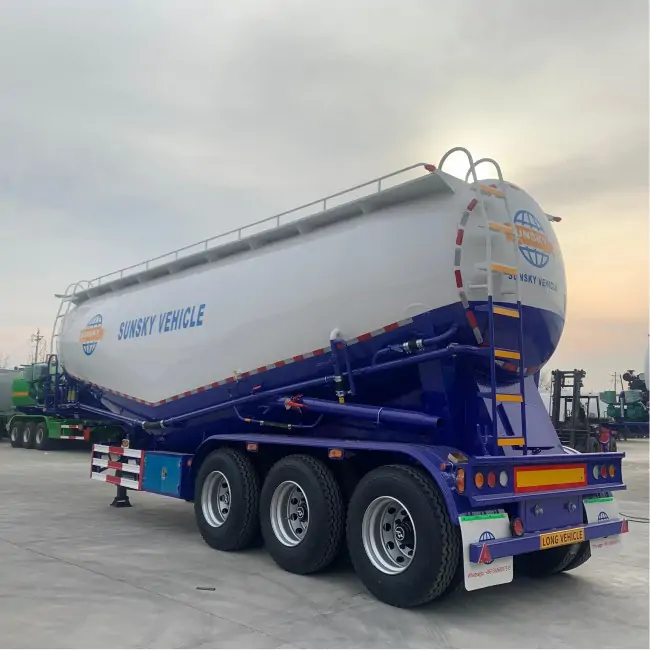
bulk cement trailer
Side curtain trailer
dangler trailer
superlink trailer
The trailer type you are looking for is not found
FAQ
What are the different types of log trailers and their uses?
Log trailers, essential for the timber industry, come in several specialized types, each designed for specific logging operations and log lengths. The most common include short-log trailers (or pulpwood trailers), long-log trailers (or sawlog trailers), and logging dollies. Short-log trailers are typically rigid or semi-trailers with multiple fixed bolsters, ideal for transporting shorter timber (e.g., 8-16 feet) used for pulpwood or firewood. They are designed for efficient loading and unloading of uniform short lengths.
Long-log trailers are often extendable or designed with a specific architecture to accommodate much longer timber, sometimes over 60 feet, destined for sawmills to produce lumber. These timber trailers may feature a “flexing” design or an articulating connection to the prime mover to better navigate turns with extremely long loads. Lastly, a logging dolly (or pup trailer) is a short, independent trailer connected to a truck or another log trailer, usually for very long logs, where the front of the log rests on the truck/first trailer and the rear on the dolly. This increases flexibility and payload. Each logging trailer type is optimized for the specific dimensions and destinations of the timber, enhancing safety and efficiency in timber transport.
How do log trailers ensure the safe transport of heavy, uneven timber loads?
Log trailers, including logging trailers and timber haulers, are specifically engineered to ensure the safe transport of heavy, often uneven timber loads through a combination of robust design features and rigorous securement methods. Firstly, their foundational structure is a heavy-duty, high-strength steel frame designed to withstand extreme, concentrated stresses from logs. This frame provides the necessary rigidity and durability for demanding forestry environments.
Secondly, integrated bolsters (bunks) and upright stakes are strategically positioned along the trailer’s length. These strong, vertical structures act as containment barriers, preventing logs from shifting, rolling, or falling off during transit, even on uneven terrain or during sharp turns. The number and spacing of these bolsters are optimized for various log lengths and volumes.
Thirdly, advanced load securement systems are critical. This involves multiple heavy-duty chains, binders, and tensioning devices that are meticulously applied across the logs, pulling them tightly down onto the bolsters and against each other. Drivers are trained to apply these securement devices correctly and to re-tension them during the journey as loads can settle. Finally, the heavy-duty axles and suspension systems are designed to distribute the immense weight evenly across the tires and road surface, maintaining stability and control even with dynamic and uneven loads. This comprehensive approach to design and securement ensures the reliability and safety of log trailer operations.
What materials are used in the construction of logging trailers for durability?
Logging trailers, also known as timber trailers or logging dollies, are built from exceptionally durable materials to withstand the relentless demands of the forestry industry, including heavy loads, rough terrain, and harsh weather conditions. The primary material used for the main frame, bolsters, and critical structural components is high-strength steel alloy. This specialized steel offers superior tensile strength and yield strength compared to standard steel, allowing for a lighter yet incredibly robust chassis that can absorb significant impacts and handle immense, often dynamic, loads without deforming or failing.
Beyond the frame, other components contribute to durability. The bolsters and stakes are typically made from hardened steel to resist bending and wear from logs. Load securement chains are made of high-grade alloy steel, designed for maximum breaking strength and fatigue resistance. The suspension systems, whether mechanical or air-ride, feature heavy-duty springs, airbags, and shock absorbers built to endure constant vibration and heavy impacts. Wheels and tires are commercial-grade, often designed for off-road traction and high load capacities. All these components are chosen for their resilience to abrasion, corrosion, and the extreme forces encountered during timber transport, ensuring a long operational life for the log trailer.
What are the key maintenance considerations for a timber trailer?
Regular and thorough maintenance is vital for timber trailers, also known as logging trailers, to ensure their longevity, safety, and operational efficiency in demanding forestry environments. Firstly, structural integrity checks are paramount. The heavy-duty steel frame, bolsters, and all weld points must be regularly inspected for cracks, deformation, or signs of fatigue due to constant heavy loads and rough terrain. Any damage must be repaired promptly to prevent catastrophic failure.
Secondly, the load securement system requires meticulous attention. All chains, binders, tensioning devices, and their attachment points need frequent inspection for wear, stretching, bending, or corrosion. These components are critical for safety, and any compromise can lead to logs shifting or falling off. Lubrication of moving parts like chain binders is also important.
Thirdly, axle, suspension, and braking systems endure immense stress. Tires should be regularly inspected for proper inflation, wear patterns, and damage from debris. Wheel bearings, brakes (pads, drums/discs, air lines), and suspension components (springs, air bags, shock absorbers) must be checked for wear, leaks, and proper function. Given the off-road nature of timber hauling, debris can easily cause damage. Lastly, the lighting and electrical systems must be functional for road legality, especially given the typically long and sometimes extended nature of these trailers. Proactive and consistent maintenance ensures the reliability and safety of the log trailer fleet.
Are there specific regulations for operating logging trailers on public roads?
Yes, operating logging trailers, including timber trailers and logging dollies, on public roads is subject to a range of specific and often stringent regulations that vary by jurisdiction (state, province, or country). These regulations are primarily in place to ensure public safety due to the inherent challenges of transporting heavy, oversized, and sometimes unstable timber loads.
Key regulatory areas include weight and dimension limits. Logs often exceed standard length, width, or weight limits, requiring special oversize/overweight permits from relevant authorities. These permits typically specify approved routes, travel times (often restricted to daylight hours or off-peak periods), and conditions like speed limits or the need for escort vehicles. Load securement is another critical regulated aspect. Regulations dictate the number, type, and strength of chains and binders required to safely secure logs, often specifying how loads must be built and distributed to prevent shifting or falling. Drivers must ensure continuous compliance.
Furthermore, lighting and marking requirements are strict, mandating specific reflective tape, warning flags, and lighting configurations to make the log trailer visible, especially at night or in adverse weather. Driver qualifications also play a role; some jurisdictions require specialized endorsements or training for operating logging trucks or road trains involving timber. Compliance with these diverse regulations is crucial not only for avoiding fines but, more importantly, for ensuring the safety of everyone on the road during timber transport operations.
Connect with us
Ready to partner? We’re convinced Sunsky Vehicle is your best choice! Reach out through the form or by phone.
*Our team will answer your inquiries within 24 hours.
*Your information will be kept strictly confidential.