
Special Vehicle are custom-engineered towing units designed to transport specific types of cargo that cannot be efficiently or safely accommodated by standard flatbed or dry van trailers. These specialized trailers feature unique structural designs, loading mechanisms, and safety features tailored to the distinct characteristics of their freight—whether it’s oversized logs, temperature-sensitive goods, multiple vehicles, or bulky palletized cargo. They are critical assets in a diverse range of industries, providing optimized solutions for challenging logistics demands and ensuring the integrity and secure delivery of non-standard loads.

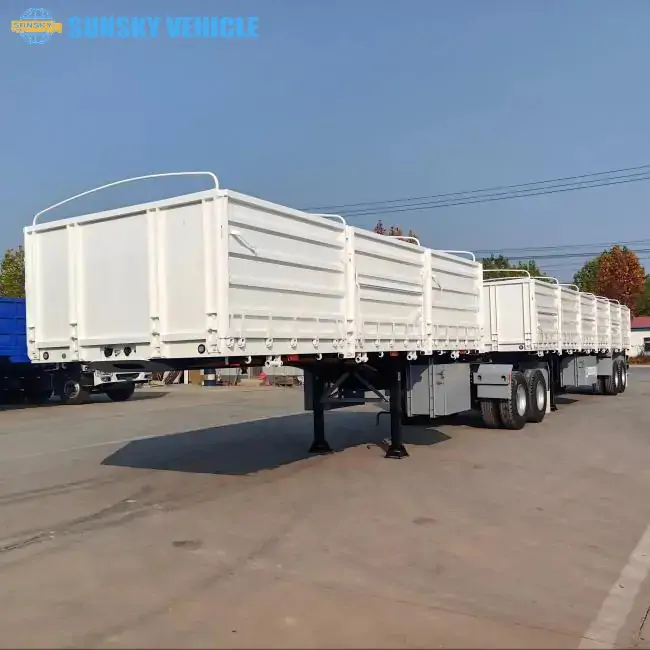
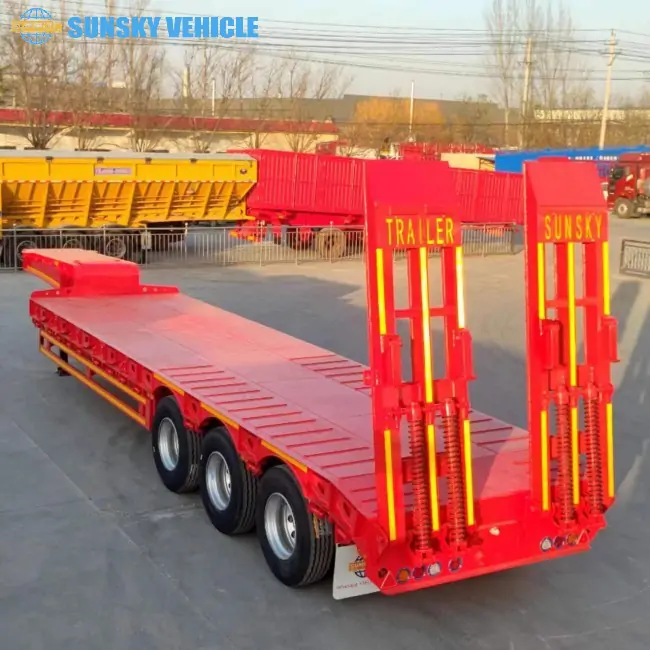
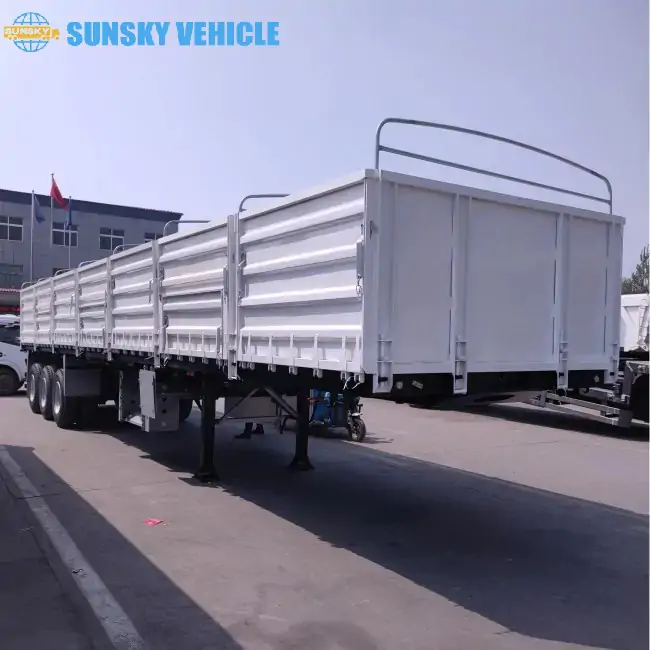
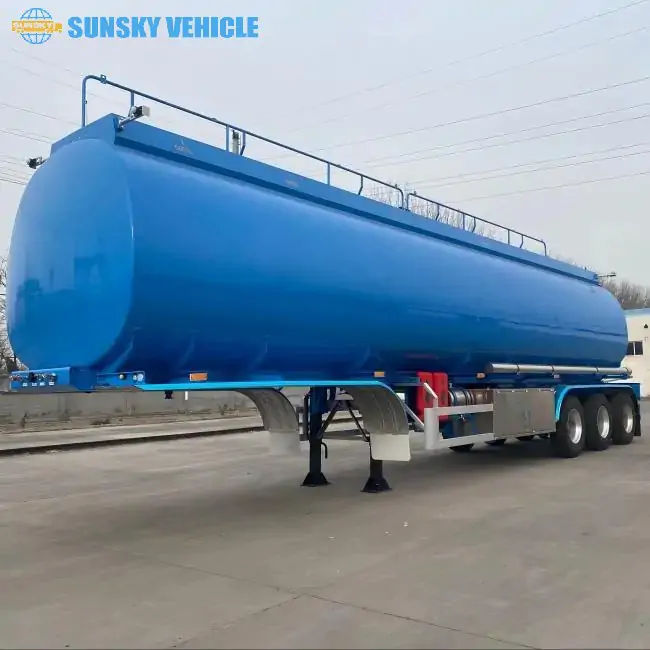
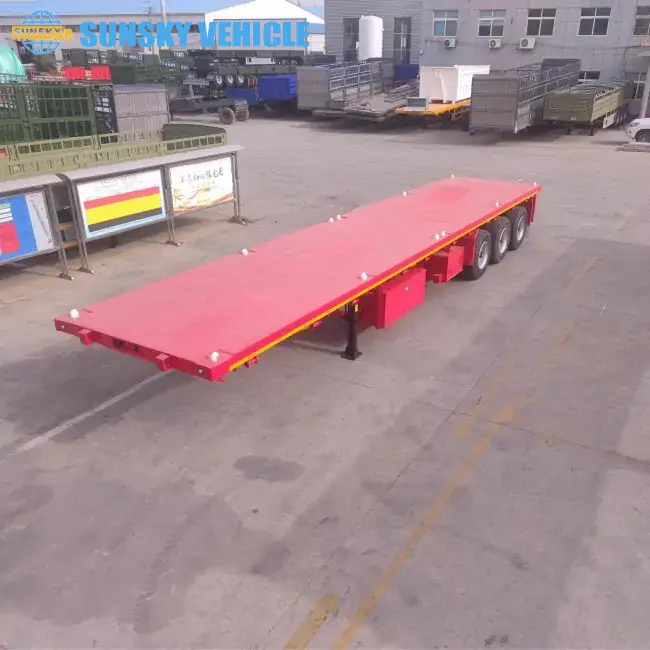
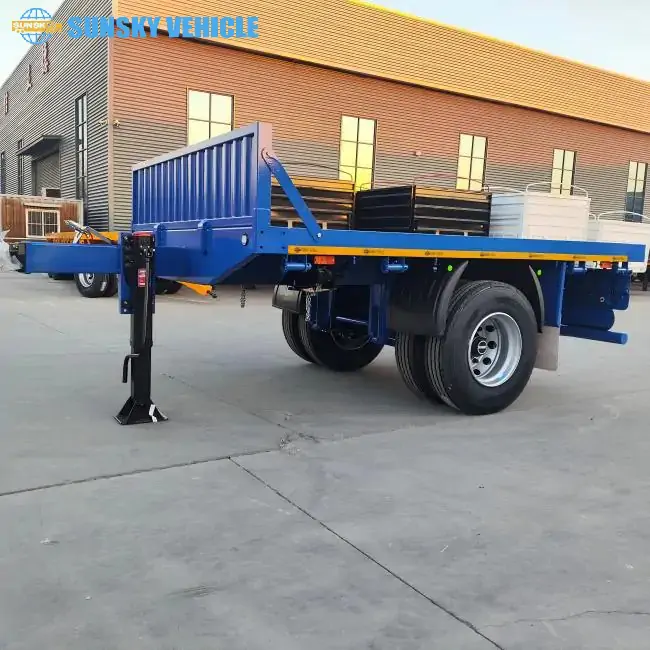
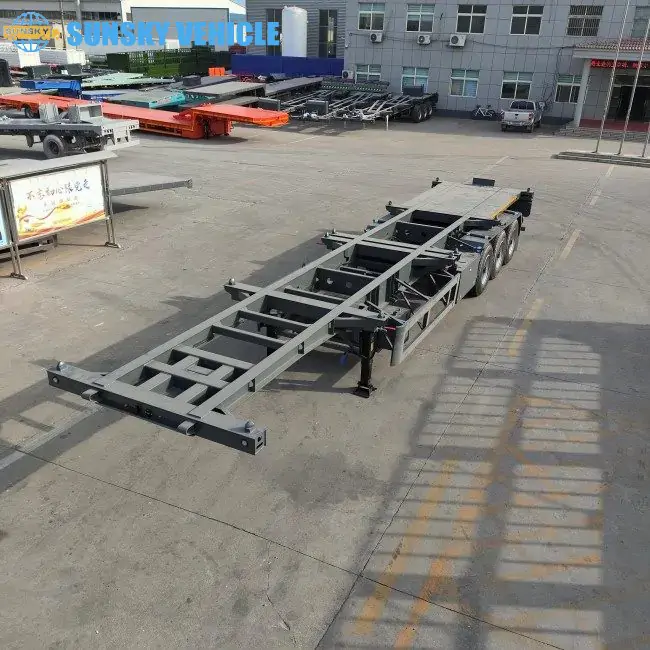
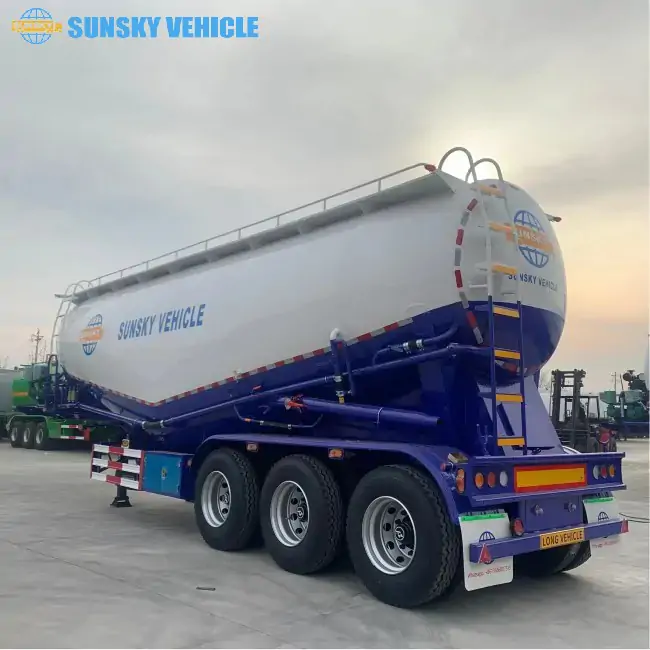
A Special Vehicle is a purpose-built or highly customized vehicle (including both trucks and trailers) engineered to perform specific, non-standard transportation or operational tasks. Unlike conventional cargo haulers, these vehicles integrate specialized equipment, unique body configurations, or advanced systems tailored to particular industries or cargo types. Examples range from concrete mixers and garbage compactors to refrigerated trailers and car carriers, all designed to meet precise functional demands that general-purpose vehicles cannot.
Specialized transport vehicles significantly enhance efficiency by providing precise, optimized solutions for complex tasks. Their custom designs streamline operations: for instance, a tank truck efficiently moves liquids, while a car carrier can transport multiple vehicles simultaneously. Integrated features like hydraulic systems, unique loading mechanisms, or environmental controls reduce manual labor, minimize damage, shorten cycle times, and ensure cargo integrity, leading to substantial operational cost savings and improved productivity in industries like construction, logistics, and public services.
Operating specialized trucks and trailers demands stringent safety considerations due to their unique functions and often heavy or hazardous loads. Key aspects include thorough operator training for specific equipment, robust stability control systems to prevent rollovers (especially for high-center-of-gravity vehicles like concrete mixers or aerial platforms), and advanced braking systems. Regular inspections of specialized components, adherence to load securement protocols, and comprehensive hazard communication (for chemical tankers or waste haulers) are crucial for minimizing risks and ensuring compliance with safety regulations.
Custom-engineered vehicles are designed through a meticulous process involving deep understanding of specific industry demands. This includes selecting the optimal chassis for weight and power, integrating specialized bodies or equipment (e.g., compaction mechanisms for garbage trucks, multi-level decks for car carriers), and developing custom hydraulic or electronic control systems. Factors like cargo type, operating environment (off-road, urban), regulatory compliance, and desired automation levels are all considered to deliver a vehicle precisely tailored for maximum performance and efficiency in its unique application.
Special vehicle maintenance extends beyond routine engine and chassis checks to include comprehensive care for their unique integrated equipment. This involves specific hydraulic system inspections (for dump trucks, cranes, mixers), specialized lubrication for moving parts of custom bodies, and calibration of sensors and control systems (e.g., refrigeration units, weighing scales). Regular checks of unique structural components for fatigue, specialized filtration systems, and adherence to manufacturer-specific guidelines for auxiliary equipment are crucial for ensuring the vehicle's unique functionality and longevity.
Technological advancements significantly boost the performance and reliability of modern special purpose vehicles. GPS and telematics enable real-time tracking, route optimization, and remote diagnostics, improving operational efficiency. Advanced driver-assistance systems (ADAS) enhance safety. Automation in loading/unloading mechanisms (e.g., self-loading garbage compactors, automated car ramps) reduces manual labor and risk. Furthermore, improved engine technologies ensure better fuel efficiency and lower emissions, while stronger, lighter materials enhance payload capacity and durability.
When investing in specialized commercial vehicles, businesses should consider several key factors. First, precisely define the specific operational task and cargo type. Evaluate the vehicle's payload capacity versus its intended use, ensuring compliance with local regulations. Assess the total cost of ownership, including fuel efficiency, specialized maintenance requirements, and potential downtime. Consider the manufacturer's reputation, after-sales support network, availability of genuine parts, and the potential for customization to perfectly match evolving business needs and ensure a strong return on investment.
Ready to partner? We’re convinced Sunsky Vehicle is your best choice! Reach out through the form or by phone.

*Our team will answer your inquiries within 24 hours.
*Your information will be kept strictly confidential.
Get A Quote
The more details you provide, the faster we can quote.
*Our team will answer your inquiries within 12 hours.
*Your information will be kept strictly confidential.


