A foldable gooseneck lowbed trailer, also known as a detachable gooseneck (DGN) trailer, is a specialized transport vehicle used for hauling oversized and heavy equipment. Unlike a standard lowbed, its neck can be detached and lowered to the ground, creating a ramp for drive-on loading. This eliminates the need for external cranes or lifting equipment, making it the most efficient solution for moving excavators, bulldozers, and other large machinery.
The Challenge of Heavy Haul Transport
Traditional lowbeds often require complex and time-consuming loading methods. Using cranes adds to project costs and introduces safety risks. For large equipment like an 80-ton excavator, finding a safe and efficient way to load and unload is critical. Our foldable gooseneck trailer directly addresses this pain point by providing a seamless, self-sufficient loading process that reduces labor, improves safety, and shortens project timelines.
Applications of Our Hydraulic Gooseneck Lowbed Trailer
This versatile trailer is the ideal solution for transporting a wide range of heavy machinery, including:
Construction equipment (excavators, bulldozers, cranes)
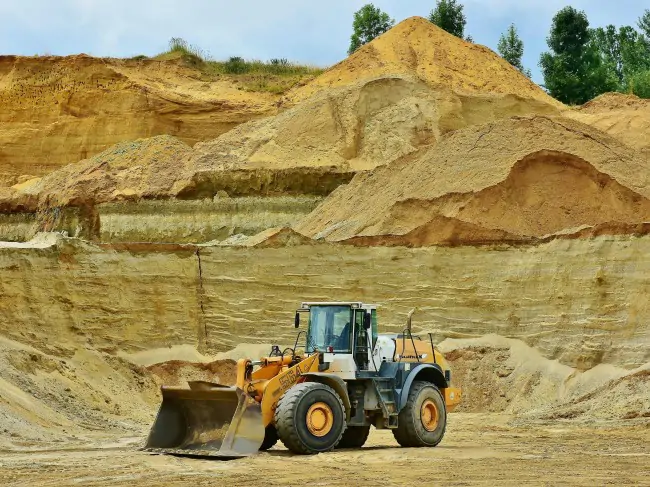
Mining machinery
Agricultural equipment
Wind turbine components
Oversized industrial parts
Its hydraulic detachable neck makes it particularly well-suited for jobs where a loading dock or crane is not available, such as remote construction sites or open fields.
Foldable Gooseneck Lowbed Trailer Specifications
Foldable Gooseneck Lowbed Trailer Dimension:
20000*3200*1850mm
Thickness of floor
5 mm
The length of platform
The height of platform
1250 mm
Payload (kgs):
80000
Load in kingpin (kgs):
About 7500 kgs when unloaded
About 31500 kg when full loaded
Tare weight (kgs):
25000
Total weight (kgs):
105000
Gooseneck:
Hydraulic type with cylinder, engine and pump.
The capacity of the cylinder:
2 pcs of 140mm diameter with 40-ton load
4 pcs of 145mm diameter with 45-ton load
Tire size:
315/80- R22.5
Rim size:
9.00*22.5
Axle:
6 Axle, 13 Tons
Suspension
Spring suspension
Robust and Durable, Achieve Exceptional Transport
Start your project today and get a high-performance semi-trailer solution tailored specifically to your unique needs.
Efficiency: Drastically reduce loading and unloading times and eliminate the need for costly external equipment.
Safety: The low-angle ramp and stable platform provide a safer alternative to manual lifting, minimizing the risk of accidents.
Durability: Built with high-quality steel and heavy-duty components, this trailer is designed to handle extreme loads and provide years of reliable service.
Robust and Durable, Achieve Exceptional Transport
Start your project today and get a high-performance semi-trailer solution tailored specifically to your unique needs.
Invest in a trailer that works as hard as you do. Our 80-ton foldable gooseneck lowbed trailer offers the perfect combination of strength, efficiency, and durability. For more information or to request a personalized quote, please contact our team today. We’re here to help you find the perfect transport solution for your business.
Video of Foldable Gooseneck Lowbed Trailer
Robust and Durable, Achieve Exceptional Transport
Start your project today and get a high-performance semi-trailer solution tailored specifically to your unique needs.
1. What is a lowbed semi-trailer, and how does it differ from a regular semi-trailer?
A lowbed semi-trailer, also often called a low-bed trailer or low-bed truck, is a type of semi-trailer specifically designed for transporting heavy machinery, construction equipment, and extra-high cargo. Its most distinctive feature is its cargo bed (i.e., load surface) that is very low to the ground. Compared to regular semi-trailers, lowbed semi-trailers have a lower center of gravity, making them safer and more stable when transporting extra-high and extra-heavy cargo.
2. What cargo are lowboy semi-trailers primarily used to transport?
Lowbed semi-trailers are primarily used to transport cargo that cannot be transported using regular trucks or containers due to size or weight restrictions. Common cargo types include:
Large construction machinery, such as excavators, bulldozers, loaders, and road rollers.
Agricultural machinery: such as large combine harvesters and seed drills.
Industrial equipment: such as transformers, large boilers, and generator sets.
Special vehicles: such as crawler cranes and large drilling rigs.
3. How do I choose the right lowbed semi-trailer?
When choosing a lowbed semi-trailer, consider the following key factors:
Load Capacity: Choose the appropriate load capacity based on the maximum weight of the cargo you intend to transport.
Dimensions: The length, width, and height of the cargo bed must be able to accommodate your cargo.
Number of Axles: The more axles, the greater the load capacity and the less pressure on the road. Choose a model with two, three, four, or more axles depending on the cargo weight.
Suspension System: Common suspension systems include mechanical and air suspension. Air suspension provides better shock absorption and is more suitable for transporting precision equipment.
Loading and Unloading Method: Consider the ease of loading and unloading cargo. Some lowbed semi-trailers feature a gooseneck design that can be detached from the front, making it easier for equipment to be loaded and unloaded.
4. What technical specifications should I consider when purchasing a lowbed semi-trailer?
In addition to the above factors, you should also pay attention to the following technical specifications:
Main Beam Material: High-quality, high-strength steel (such as Q345B) ensures the strength and durability of the frame. Tire Type and Quantity: Select the appropriate tire size and ply rating, as well as the number of spare tires, based on load requirements.
Braking System: Ensure the braking system is reliable and meets safety standards.
Electrical System: Check that the lighting and wiring meet standards to ensure safe nighttime driving.
Optional Features: Choose hydraulic ladders, retractable features, side guardrails, and other features as needed.
5. Are there any special requirements for operating a lowbed semi-trailer?
Operating a lowbed semi-trailer requires an A2 or higher driver’s license. Due to the vehicle’s large length, width, height, and weight, drivers must be experienced and exercise extreme caution when turning, reversing, and maneuvering in narrow roads. Furthermore, transporting oversized cargo may require an overweight transport permit.
application scenarios
Construction & Infrastructure Projects: Transporting heavy construction equipment such as excavators, bulldozers, wheel loaders, cranes, large concrete mixers, and paving machines to and from job sites. This is its most common application.
Agriculture (Large Scale): Transporting oversized farming equipment like combine harvesters, large tractors, and specialized planters that exceed standard road dimensions.
Energy Sector: Hauling components for wind turbines (nacelles, hubs), transformers, generators, and other large parts for power plants or oil and gas fields.
Mining Operations: Moving massive mining machinery like large excavators, rigid dump trucks (disassembled), crushers, and drilling rigs within or between mining sites.
Industrial & Manufacturing: Moving large factory components, heavy industrial presses, turbines, and modular building sections that are too tall or heavy for other transport methods.
Military & Defense: Transporting tanks, armored vehicles, and other large military equipment.
Connect with us
Ready to partner? We’re convinced Sunsky Vehicle is your best choice! Reach out through the form or by phone.
*Our team will answer your inquiries within 24 hours.
*Your information will be kept strictly confidential.