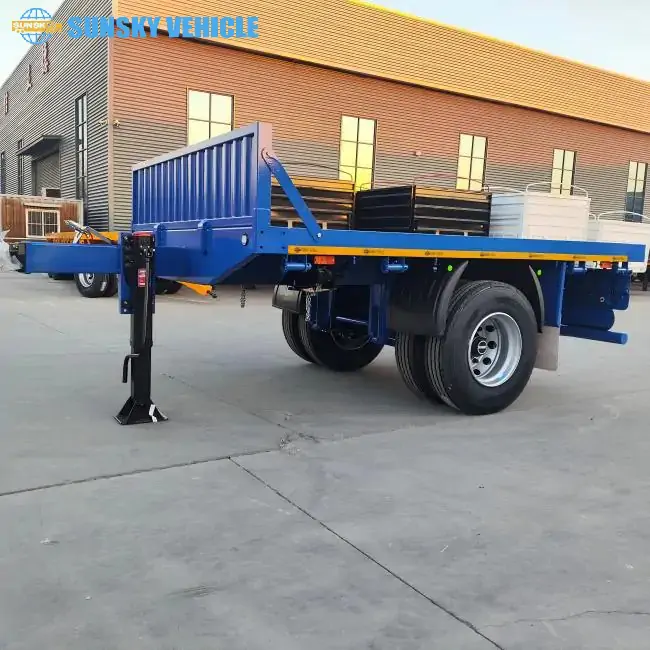
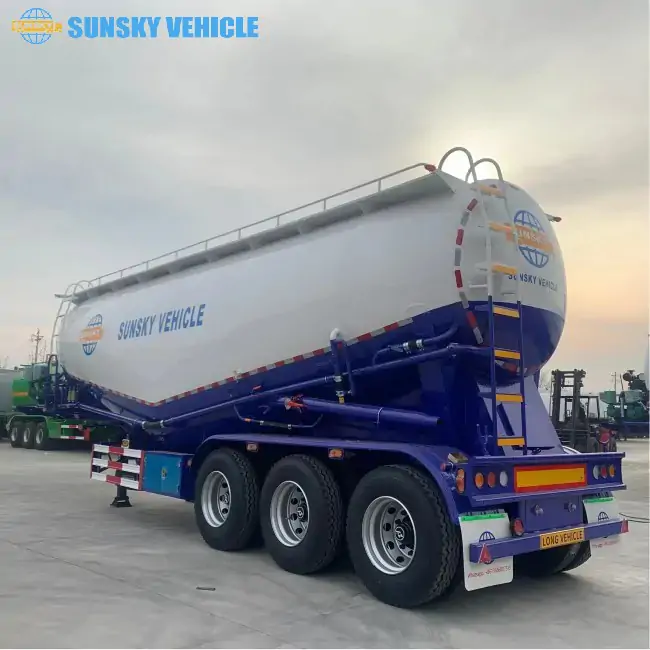
Rear Dump Trailer
Rear dump trailers are designed for efficient bulk material transport and fast unloading in mining, construction, and agriculture. We manufacture heavy-duty rear dump trailers in multiple sizes, capacities, and axle configurations, including 2 axles-6 axles models for different road and cargo requirements.
Rear Dump Trailer For Sale
Loading products...
BULK MATERIAL TRANSPORT
Rear Dump Trailer Applications
Rear dump trailers, also called rear tipper trailers, carry bulk materials and discharge them through the rear. Explore six common uses, from hauling construction aggregate to delivering grain.

Construction & Road Building
Haul sand, gravel, crushed stone, asphalt and demolition debris to and from construction sites.
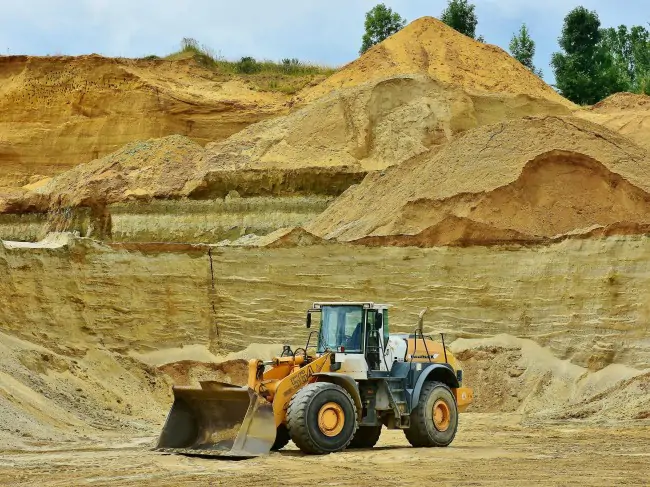
Mining Operations
Move overburden, ore, coal and other excavated material between extraction areas and processing facilities.
Waste Management & Recycling
Carry non-hazardous solid waste, rubble and scrap metal to transfer stations, recycling centers and disposal facilities.

Agriculture & Farming
Transport grain, corn, soybeans and feed from farms to silos, processing facilities and markets.

Landscaping & Earthmoving
Deliver topsoil, mulch, decorative stone and other bulk materials to landscaping and earthmoving projects.

Infrastructure Projects
Deliver fill and aggregates for highways, dams and utility works.
Standard configuration
-
SUNSKY axle
-
12R22.5 Tires
-
LED light system
-
carbon steel material
-
surface paint process
-
Leaf spring suspension
-
toolbox
Customizable options
-
Volume
-
U-shaped/square box
-
Color
-
ABS
-
tire brand
-
Tarpaulins
-
BPW/Triangle/FUWA axles as needed
Looking for some new designs ?
ENGINEERING DETAILS
Rear End Dump Trailer Design Details
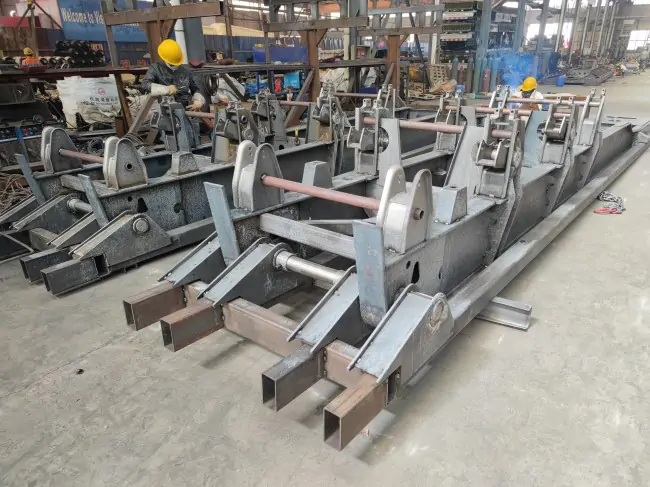
Dump Body & Materials
Body material is selected for the cargo and duty cycle. Abrasion-resistant steel suits demanding loads such as rock and gravel, while aluminum can reduce tare weight on suitable models.
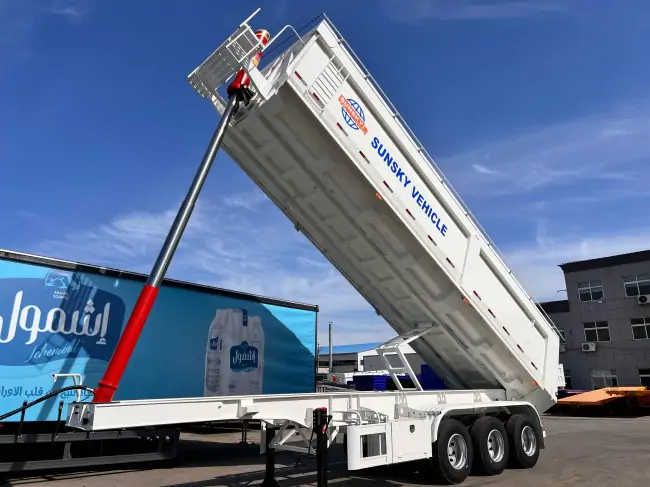
Hydraulic Lifting System
The hydraulic pump and cylinder raise the body for rear discharge. The lifting system is sized to suit the body geometry and intended load.
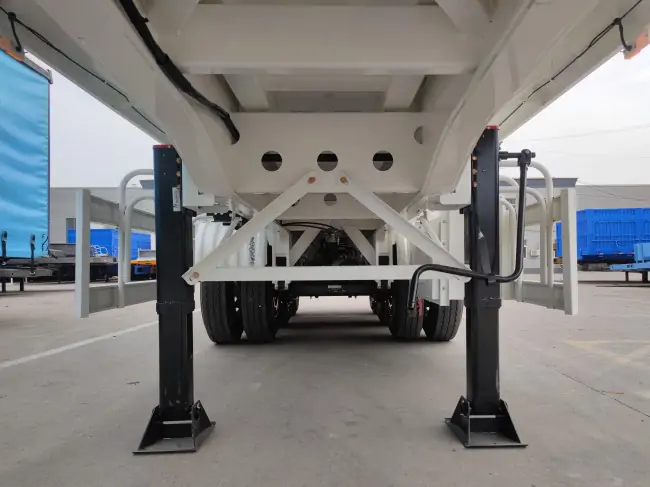
Heavy-Duty Chassis & Frame
The chassis supports the body, running gear, and lifting assembly. Reinforced sections help carry the forces generated during transport and tipping.
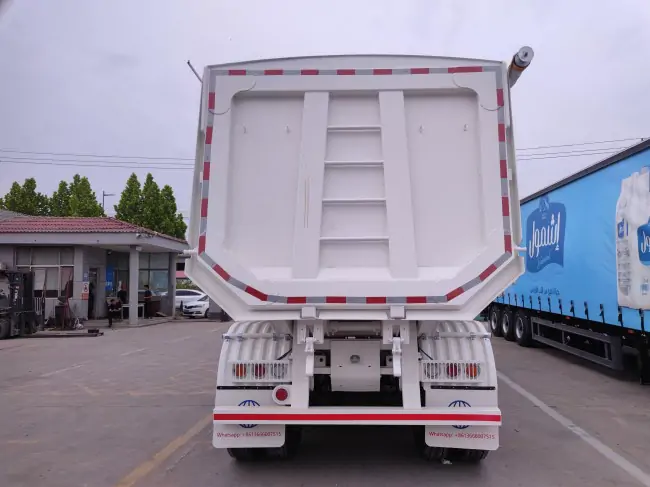
Tailgate & Discharge
Tailgate options include swing gates, barn doors, and high-lift designs. The opening and latch arrangement can be matched to the material and unloading method.
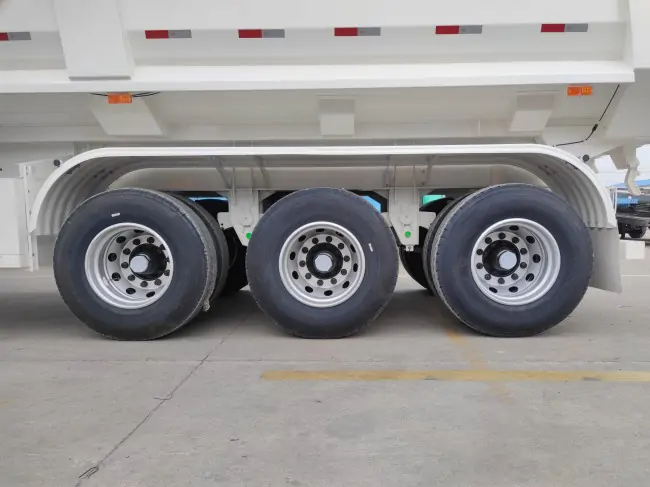
Axles & Suspension
Tandem or tri-axle layouts can be paired with leaf-spring or air suspension, depending on the model. The configuration is selected to suit the load and operating conditions.
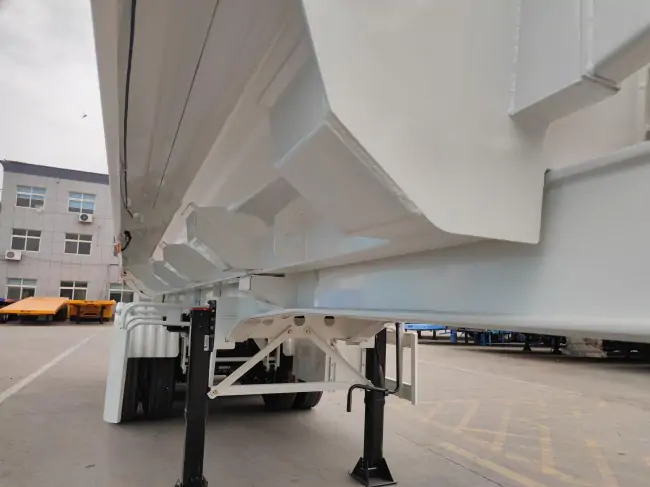
Safety Features
Available equipment varies by model and may include stability aids, tipping alarms, and a body prop for maintenance.
video of end dump trailer for sale
dump trailer
4-axle dump trailer
6-Axle tipper trailer
3-axle tipper trailer
You May Also Be Interested In
Explore more semi-trailer solutions from Sunsky Vehicle.
Dropside Trailer
View Details →
Curtain Side Trailer
View Details →
Flatbed Trailer
View Details →
04
Chassis Trailer
View Details →
Superlink Trailer
View Details →
Fuel Tanker Trailer
View Details →
Dangler Trailer
View Details →
Bulk Cement Trailer
View Details →
Fence Trailer
View Details →SUNSKY VEHICLE · REAR DUMP TRAILER SOLUTIONS
Need the Right Rear Dump Trailer?
Tell us what you haul, your target payload, and where you unload. Our team can help you choose a body capacity, axle layout, and tailgate design that fit your operation.
- ✓Bulk Material Hauling
- ✓Custom Body & Tailgate Options
- ✓Factory Direct Support
Rear Dump Trailers
📌 GUIDE
Rear dump trailers carry loose materials and unload them through the rear. This guide covers body designs, capacity, key components, and common uses to help you choose a trailer for your material, route, and unloading site.
What Is a Rear Dump Trailer?
A rear dump trailer, also called a rear tipper trailer, is a semi-trailer that unloads bulk material through the rear. A hydraulic cylinder raises the front of the body so the material slides out through the tailgate.
It is commonly used to move sand, gravel, soil, demolition debris, and other loose materials between loading sites and designated discharge areas.
Main Rear Dump Trailer Configurations
- Rectangular body. A flat floor and straight sidewalls provide a box-shaped loading space. Compare floor reinforcement and wear protection for the materials you haul.
- Half-round body. A curved floor reduces internal corners where material can collect.
- Steel or aluminum body. Compare abrasion resistance, empty weight, and repair requirements for your operating conditions.
Body Volume and Payload Capacity
Body volume tells you how much space is available. Payload tells you how much cargo weight the configured vehicle can carry. Dense material such as wet sand may reach the weight limit before the body is full.
- Body volume. Confirm the usable capacity and whether the quoted volume is struck or heaped.
- Payload. Check the trailer’s empty weight, component ratings, and allowable loaded weight for the tractor and trailer combination.
- Discharge clearance. Check the raised body height and the space needed for the tailgate to open.
Core Components and Structure
- Dump body. The floor and sidewalls contain the material. Body shape, steel grade, and reinforcement depend on the intended cargo.
- Hydraulic lifting system. The pump, cylinder, and controls raise and lower the body.
- Chassis and rear pivots. The frame supports the running gear and the body pivots at the rear.
- Tailgate and latches. The opening and latch design affect how material flows out and how it is retained in transit.
- Axles and suspension. The running gear is selected for the expected loads and operating conditions.
Rear Dump Trailer Applications
- Construction and road building. Sand, gravel, crushed stone, asphalt, and demolition debris.
- Quarries and mining. Ore, overburden, and excavated material.
- Waste and recycling. Rubble and suitable non-hazardous bulk waste.
- Agriculture. Grain and feed where the body and tailgate suit the material.
- Landscaping and infrastructure. Topsoil, fill, and aggregates for site works.
Key Factors When Choosing a Rear Dump Trailer
- Start with the material type, bulk density, and target payload. Use these to compare body volumes and empty weights.
- Match the floor, sidewalls, and tailgate to the material’s abrasiveness and how it flows during unloading.
- Check the unloading site for surface conditions, overhead clearance, and room to position the trailer.
- Confirm tractor compatibility, including coupling height and hydraulic supply, then review axle and suspension options for the intended route.
Choosing Your SUNSKY Rear Dump Trailer
Tell SUNSKY VEHICLE what you haul, your target payload, and where you load and unload. Include the destination market, tractor specifications, and any preferred tailgate design. Our team can help you compare body sizes, materials, and axle configurations.
Get a Rear Dump Trailer QuoteFAQ
What are the different types of dump trailers and their specific applications?
There are three main types of dump trailers:
End Dump Trailers (or Tipper Trailers): These are the most common, where the entire bed tilts up from the front to discharge material out the rear. Ideal for large volumes of aggregates, sand, gravel, and demolition debris on construction sites.
Belly Dump Trailers (or Bottom Dumpers): These have clam-shell gates underneath the trailer that open to discharge material. Best for precise, controlled spreading of materials like asphalt, sand, or gravel in a linear fashion, often used for road construction.
Side Dump Trailers: These tilt their entire bed to one side to unload. Excellent for materials like riprap, large rocks, or sticky clay, as they offer quick and clean discharge without the need for backing up precisely, common in mining and heavy civil projects.
What are the advantages of using a dump trailer compared to a rigid dump truck?
Using a dump trailer (or tipper semi-trailer) often offers greater payload capacity than a rigid dump truck, meaning more material can be transported per trip, leading to increased efficiency and reduced fuel costs. The combination of a separate tractor head and trailer also provides more flexibility, as the tractor can be used for other trailers when the dump trailer is not needed. This modularity can enhance fleet utilization and overall operational versatility in bulk material hauling.
What materials are typically used for tipper trailer bodies, and what are their benefits?
Dump trailer bodies are typically constructed from either high-strength steel or aluminum.
Steel bodies are extremely durable, offering superior resistance to abrasion and impact from heavy, sharp materials like rock and demolition debris. They are generally more cost-effective but heavier.
Aluminum bodies are significantly lighter, allowing for greater payload capacity (more profit per trip) and improved fuel efficiency. They are also corrosion-resistant, making them ideal for materials like sand or grain, though they may be less resistant to severe impacts than steel.
How do construction dump semi trailers ensure safety during the tipping process?
Construction dump trailers incorporate several safety features to ensure safety during the tipping process. Key elements include: robust hydraulic systems with pressure relief valves to prevent over-extension; anti-rollover stability systems that prevent tipping on uneven ground; hydraulic safety locks to secure the body in the raised position during maintenance; and audible alarms to warn personnel in the vicinity during operation. Operators must also follow strict protocols, including ensuring a level surface and clear overhead space.
What are the crucial maintenance checks for the hydraulic system of an end dump trailer?
Crucial maintenance checks for the hydraulic system of an end dump trailer involve regular inspection of hydraulic fluid levels and quality, ensuring they are free of contamination. Hoses and fittings should be checked for leaks, cracks, or signs of wear. The hydraulic pump should be inspected for proper operation, and the lifting cylinders for any signs of damage or bending. Lubrication of all pivot points and ensuring the tailgate mechanism operates smoothly are also vital for safe and efficient aggregate trailer performance.
What regulations or permits are often required for bulk material trailers on public roads?
Bulk material trailers operating on public roads are subject to various regulations and may require specific permits. These typically include adherence to federal and state weight limits (Gross Vehicle Weight Rating, axle weight limits), dimension restrictions (length, width, height), and proper securement of loads to prevent spillage. Depending on the material (e.g., certain hazardous waste) or if the load is oversized/overweight, additional hazardous material endorsements or special road permits may be required. Compliance is enforced by Department of Transportation (DOT) agencies.
Can dump trailers be customized for specific industry needs, like specific discharge rates or capacity?
Yes, dump trailers are highly customizable for specific industry needs. Options include varying body capacities (e.g., cubic yards for lighter materials), different body lengths, and specific material choices (steel vs. aluminum). Discharge rates can be optimized through various gate designs or controlled belly dump mechanisms. Additionally, features like electric tarps, high-lift tailgates for precise spreading, custom axle configurations, and specialized suspension systems can be incorporated to perfectly match the demands of a particular bulk transport application, whether in construction, mining, or agriculture.
Connect with us
Ready to partner? We’re convinced Sunsky Vehicle is your best choice! Reach out through the form or by phone.
*Our team will answer your inquiries within 24 hours.
*Your information will be kept strictly confidential.